Water Damage vs Water Mitigation in Cicero: The Real Difference
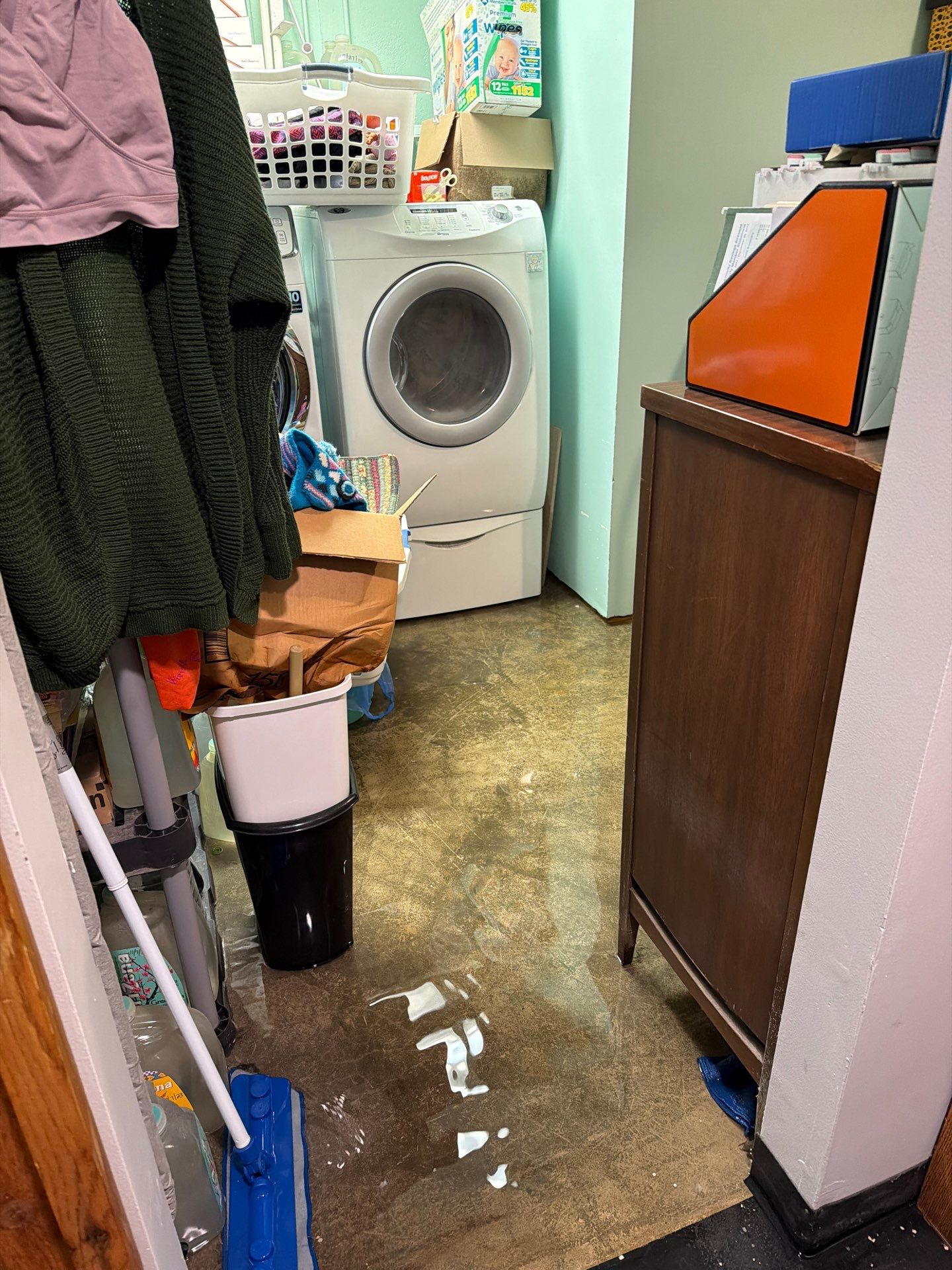
At 11pm on a Tuesday, your kitchen ceiling is dripping and your phone is full of contractor ads. Half say "water damage repair." Half say "water mitigation." Some say both. You just want the water to stop and someone honest on the phone.
Here is the short version. Water mitigation is the emergency phase that stops the loss from getting worse. Water damage restoration is the rebuild phase that puts your Cicero home back together. They are two different scopes, two different line items on your insurance claim, and sometimes two different crews.
Cicero Commercial Roofing has handled both phases for Cicero homeowners since 2018. We are IICRC certified, BBB A+ rated, and we work directly with adjusters every week. This guide lays out the difference in plain language, with the numbers, timelines, and category rules you need to make smart decisions tonight. If we cannot help with your specific situation, we will tell you directly and point you to someone who can.
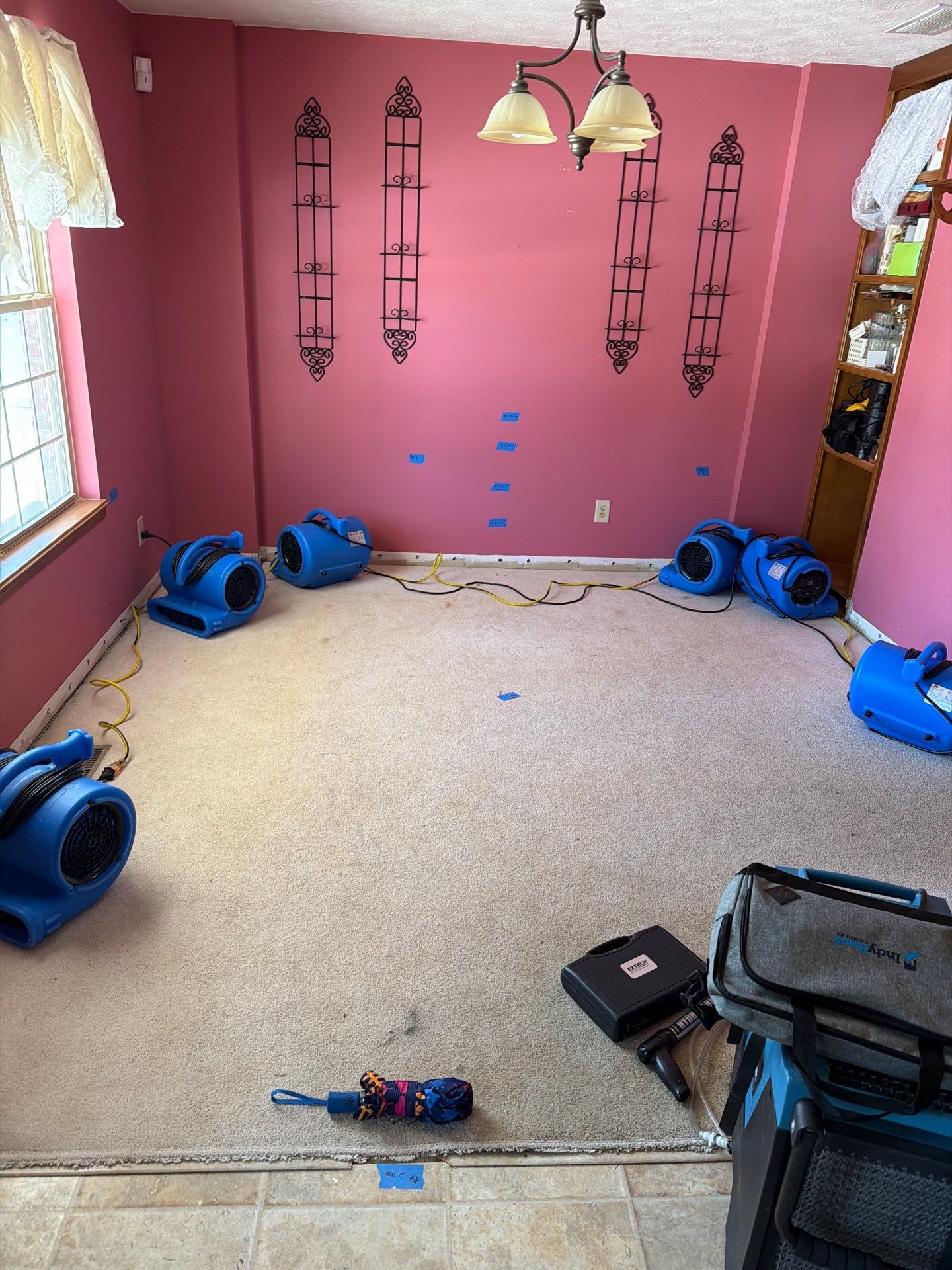
Water mitigation is the fast, defensive phase. When our trucks roll up to a Cicero home with a burst supply line or an overflowing dishwasher, the first within 2 hours are spent on extraction, containment, and stabilization. Crews pull standing water with truck mounted vacuums, lift soaked carpet pad, set containment barriers to protect dry rooms, and stage air movers and dehumidifiers to drop the moisture content in framing and subfloor before microbial growth starts. The IICRC S500 standard, which is the industry rulebook every legitimate restoration company follows, treats mitigation as time sensitive because Category 1 clean water turns into Category 2 grey water within 24 to 48 hours of sitting, and Category 3 black water requires a completely different protocol. If you want the deeper breakdown of those classifications, our guide to water damage categories 1, 2, and 3 walks through what each means for your home and your claim.
Water damage restoration, by contrast, is the rebuild phase. Once mitigation has stabilized the structure and your moisture readings hit dry standard, restoration takes over. That work includes replacing drywall that wicked water above the cut line, refinishing or replacing hardwood that cupped beyond repair, treating any microbial growth that started before we arrived, and putting trim, paint, and flooring back the way it was. A typical Cicero restoration scope on a moderate loss runs anywhere from 7 to 21 days depending on materials and insurance approval timelines. Mitigation, by comparison, is usually 3 to 5 days of active drying with daily moisture monitoring. You will see two separate line items on most insurance estimates because Xactimate, the software adjusters use, codes them differently.
The equipment list itself tells the story of how different these two phases really are. Mitigation crews carry truck mounted extractors capable of pulling 100 plus gallons per hour, low grain refrigerant and desiccant dehumidifiers sized for the cubic footage of the affected space, axial and centrifugal air movers, thermal imaging cameras to find moisture behind walls, penetrating and non penetrating moisture meters, and antimicrobial agents rated for the water category present. Restoration crews show up with framing tools, drywall lifts, flooring nailers, paint sprayers, and finish carpentry equipment. A Cicero Commercial Roofing technician trained for one is not automatically trained for the other, and the certifications are tracked separately by the IICRC for exactly that reason.
Why Insurance Companies Care About the Distinction
This is the part most homeowners in Cicero miss until they get a denial letter. Your homeowners policy almost always covers sudden and accidental water releases, which is the trigger that activates mitigation coverage. Adjusters expect mitigation to begin within 24 hours of discovery because your policy includes a duty to mitigate clause. If you delay, the carrier can argue that secondary damage, things like mold, swollen subfloor, or warped cabinetry, was preventable and reduce your payout. We have seen claims cut by 30 to 40 percent because a homeowner waited a weekend hoping the floor would dry on its own. If you are not sure what your policy covers, the breakdown in does homeowners insurance cover water damage goes through the common inclusions and exclusions in plain language.
Restoration coverage works differently. It falls under the dwelling portion of your policy and is subject to your deductible, depreciation, and any policy caps. Adjusters want to see clear documentation that mitigation was performed correctly before they approve restoration scope, which is why our technicians take moisture readings twice a day, log them with timestamps, and provide a complete drying log at the end of mitigation. That paperwork is what gets your restoration estimate approved without pushback. A contractor who skips the mitigation documentation and jumps straight to rebuild is creating a paper trail problem for you, not solving one.
It is also worth understanding that adjusters in Cicero talk to each other, and they keep informal lists of contractors whose paperwork holds up and contractors whose scopes get flagged for review. When Cicero Commercial Roofing submits a mitigation invoice with daily psychrometric readings, photos of every affected material, and a clear scope that ties back to S500 language, the approval usually comes through in days rather than weeks. When a homeowner hires a generalist who writes a one page invoice with no supporting data, the file gets kicked back for more information and the restoration phase stalls. That delay is not just inconvenient, it can push your project past temporary housing limits and force out of pocket costs your policy might otherwise have covered.
Get the Right Phase Started in Cicero Tonight
Water mitigation stops the damage. Water restoration rebuilds the home. You usually need both, in that order, and you usually need them fast. Cicero Commercial Roofing handles both phases for Cicero homeowners with IICRC certified techs, clear documentation for your adjuster, and honest answers about what your situation actually needs. Call when the water is still on the floor. We will tell you what we see, what it should cost, and whether we are the right fit.
What This Looks Like on a Real Cicero Job
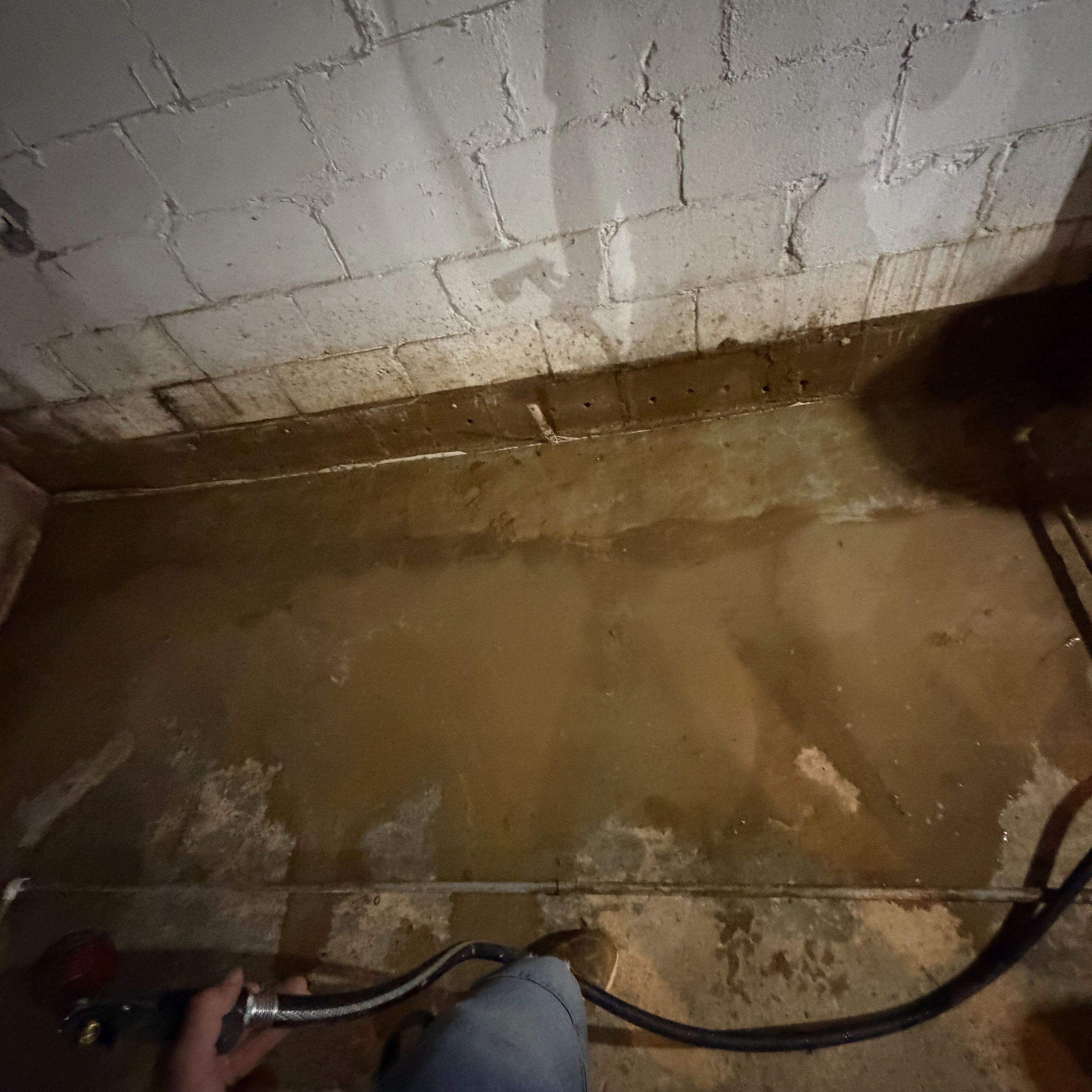
Picture a finished basement with a failed sump pump after a heavy rain. You wake up to four inches of water across 800 square feet of carpeted family room. The mitigation call goes out, our crew arrives, and within two hours the standing water is extracted, the carpet and pad are pulled and discarded, the baseboards are removed for airflow behind the drywall, and 12 air movers plus two commercial dehumidifiers are running. Over the next four days, we monitor the moisture content in the framing and concrete daily until everything hits dry standard. That is mitigation. Total cost on a job that size usually lands between 3,500 and 7,500 dollars depending on water category and materials affected. For a deeper look at this exact scenario, our walkthrough on flooded basement cleanup and professional drying covers the timeline in detail.
Restoration on that same basement starts after the drying is verified. New carpet pad and carpet, replaced baseboard, fresh paint on the affected wall sections, and possibly a sump pump upgrade. That scope typically runs 6,000 to 15,000 dollars depending on finish level and how much drywall had to come out. Two separate phases, two separate scopes, two different crews using different equipment and different skill sets. Companies that try to fold both into a single vague estimate are usually either inexperienced or hoping you will not read the fine print.
One more thing worth knowing. If a company shows up and immediately starts talking about demolition and rebuild without first doing extraction, drying, and moisture verification, push back. That is restoration without mitigation, and it almost always leads to trapped moisture, hidden mold, and a second claim six months later. The right sequence is extract, dry, verify, then rebuild. Every legitimate IICRC certified firm in Cicero follows that order because the standard requires it, and any Cicero Commercial Roofing estimate you receive will reflect that same sequence in writing so you know exactly what you are paying for and when each phase begins.
Frequently Asked Questions
Is water mitigation the same as water damage restoration?
No. Mitigation is the emergency phase that stops further damage through extraction, demolition, and drying. Restoration is the rebuild that follows. Cicero Commercial Roofing handles both for Cicero homeowners and keeps the billing separated for your insurance carrier.
How long does the mitigation phase take in Cicero?
For a typical residential loss, mitigation runs 3 to 5 days of monitored drying after the initial extraction visit. Larger losses, Category 3 water, or finished basements with hardwood can extend that to 7 to 10 days.
Will my insurance pay for both mitigation and restoration?
Most Indiana homeowners policies cover both when the water event is sudden and accidental, but they are paid on separate line items. Cicero Commercial Roofing provides documentation for each phase so your Cicero adjuster can approve them cleanly.
Can I skip mitigation and go straight to repairs?
No, and any contractor offering to is taking a serious risk with your home. Skipping documented drying leads to hidden moisture, mold growth within 48 to 72 hours, and failed insurance claims when the damage resurfaces.
What if Cicero Commercial Roofing cannot handle my full restoration scope?
We will tell you directly. On specialty rebuilds like custom cabinetry or historic millwork in older Cicero neighborhoods, we sometimes hand off restoration to a trusted local trade after completing mitigation. Honest scoping protects you.
Have a commercial roofing question?
Our manufacturer-certified Cicero crew is ready to help. Free comprehensive inspections, written scopes, no pressure.