Slab Leak Detection in Cicero: Real Foundation Repair Stories
The first call usually comes after the water bill. A homeowner on the south side of Cicero called Cicero Commercial Roofing last spring because her bill had jumped from $58 to $312 in a single month, and her kitchen tile felt warm in one specific spot near the dishwasher. She had not seen a single drop of water on the floor. By the time our IICRC certified tech arrived with thermal imaging gear, we had a 14 degree temperature differential running in a straight line from her water heater closet to the kitchen island. That is what a slab leak looks like before it floods anything: a warm stripe on cold tile, a spinning water meter with every faucet shut off, and a homeowner who knows something is wrong but cannot point to it.
Slab leaks are the quiet ones. A burst pipe under a sink announces itself in minutes. A pinhole in a copper supply line buried six inches under your foundation can run for months, softening soil, lifting tile, and feeding mold colonies you will never see until demolition. This post walks through real Cicero cases we have handled since Cicero Commercial Roofing opened in 2018, what detection actually costs, and how the repair decision gets made without tearing your whole slab apart.
How a slab leak actually shows up in your home
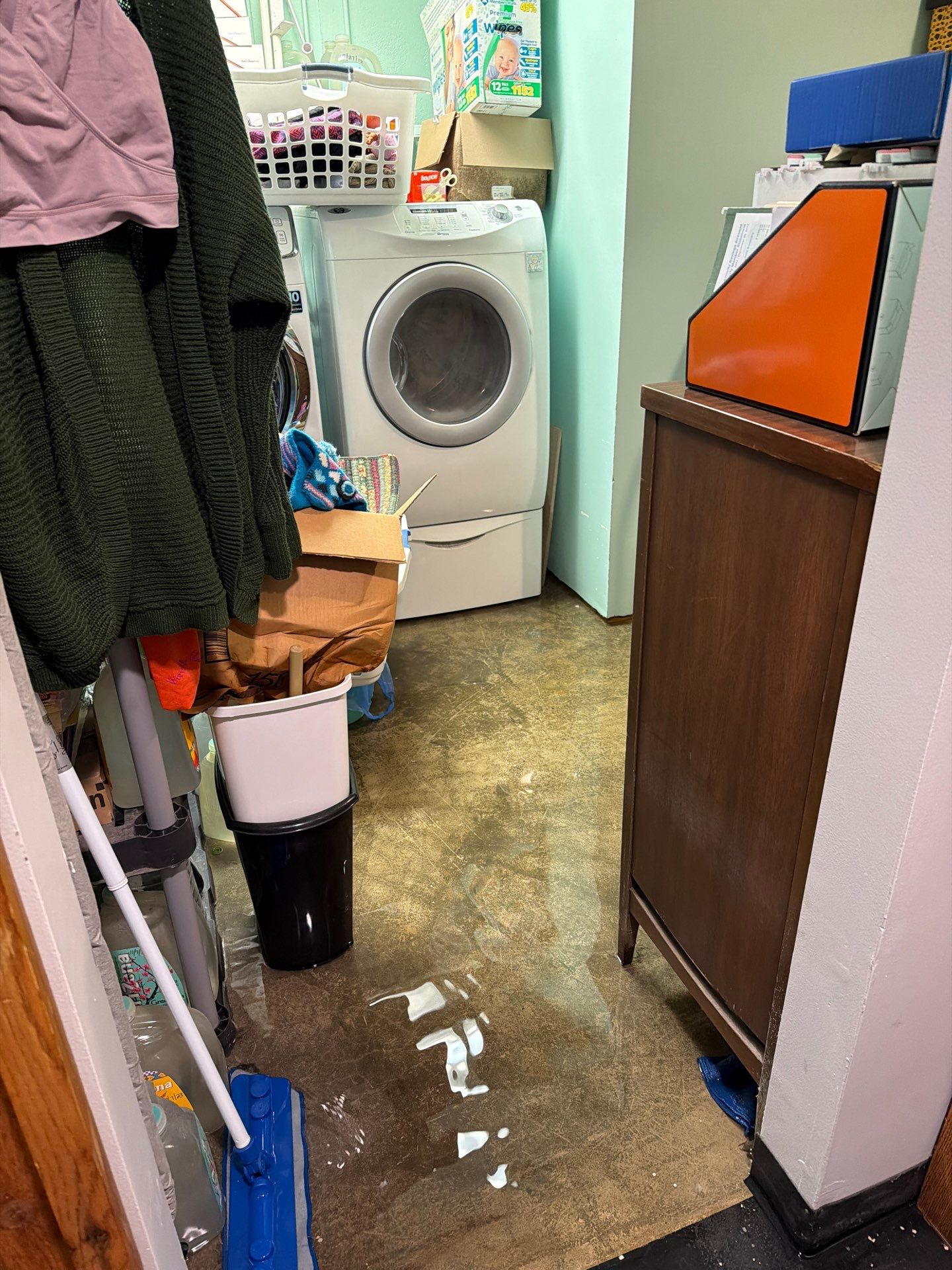
A slab leak is a break or pinhole in the pressurized water lines, or sometimes the drain lines, that run through or under the concrete foundation of your Cicero home. Pressurized hot water lines fail most often, which is why a warm spot on the floor is one of the clearest tells. Other early signs include a water meter that keeps ticking when every fixture is shut off, a sudden jump in your bill of forty to two hundred dollars, the sound of running water inside walls or under cabinets, unexplained damp carpet along an interior wall, mildew odor near a baseboard, hairline cracks in tile grout that were not there last season, and a hot water heater that runs more than it used to. None of these alone proves a slab leak. Two or three together usually do. By the time you can see water pooling on the floor, the leak has likely been active for weeks, and the subfloor, framing plates, and drywall behind the baseboard are already wet. That is where our side of the work begins, because plumbing repair fixes the pipe, but it does not dry the structure or stop the mold clock that started the moment moisture met organic material.
The age of the home matters here too. Houses built in Cicero between the late 1960s and the early 1990s often used soft copper run directly through the slab pour, and decades of mineral rich water moving through tight bends slowly thins the copper from the inside out. Homes with recirculating hot water loops fail even faster because the pipe is under pressure and temperature stress nearly twenty four hours a day. If you have lived in your home for fifteen years or more and have never had the original supply lines evaluated, the first slab leak is rarely the last, and that context shapes the conversation we have with you about repair versus reroute.
Get a Straight Answer on Your Slab Leak
Slab leaks get worse every hour they sit, and the cost gap between catching one early and finding it after the floor buckles is thousands of dollars. If you are seeing warm spots, hearing water with the house silent, or watching your bill climb, call Cicero Commercial Roofing. We will inspect, locate, and explain your real options in plain language, and if a smaller fix is the right call for your Cicero home, that is what we will recommend.
How we pinpoint the leak before anyone touches concrete
When you call Cicero Commercial Roofing, the first thing we do is rule out cheaper causes. A dishwasher supply line, a refrigerator water line, a failed wax ring on a toilet, or a slow drip behind a vanity can mimic every symptom of a slab leak and cost a fraction to repair. We walk the home with moisture meters and a thermal imaging camera, mapping where readings spike. Concrete itself is not very revealing on thermal, but the warm halo from a pressurized hot line shows up clearly once we know where to look. If the readings point under the slab, we coordinate with a licensed plumber for acoustic listening equipment and pressure isolation tests, which can localize the leak to within a foot or two before any saw touches the floor. That precision matters because every square foot of concrete that gets cut, drilled, or tunneled is money, dust, and recovery time you do not get back. For deeper background on detection inside walls and under finishes, our guide to hidden leak detection behind walls walks through the same diagnostic logic we use under slabs.
We also note where the leak is not, which is just as useful. A homeowner who hears running water in the kitchen at midnight may assume the leak is under the sink, when the acoustic profile actually traces a line running fifteen feet across the dining room toward a bathroom on the far wall. Sound travels through pressurized copper in ways that fool the ear. The few hours we spend isolating zones and bracketing the leak with electronic equipment routinely save thousands of dollars in unnecessary demolition, and we document the process so you can see exactly why the cut location was chosen.
Insurance, documentation, and what your policy probably covers
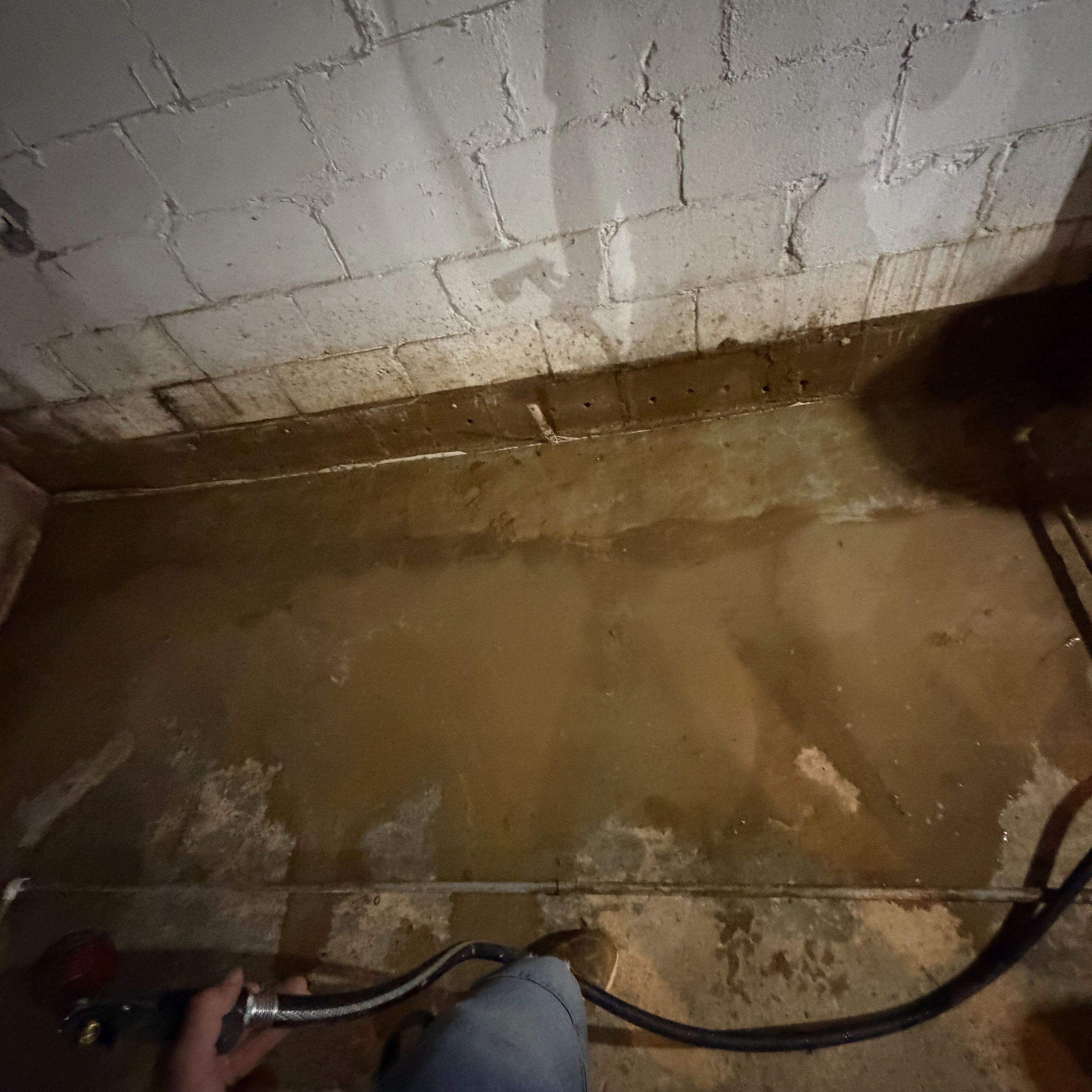
Most homeowners policies in Cicero cover the resulting water damage from a sudden, accidental slab leak, even though they typically exclude the cost of the pipe repair itself and the cost of accessing the pipe through the slab. The language varies, and the difference between a covered claim and a denied one often comes down to documentation. We photograph every reading, log every moisture map, and provide a written scope that matches the line items adjusters expect. If the leak turns out to be a long term, gradual seep, coverage gets harder, which is another reason we move quickly on confirmation. When the damage extends into finished basement spaces, our basement flooding response protocol kicks in alongside the slab work, because standing water on a finished lower level adds extraction, contents handling, and antimicrobial steps to the project. We share the file with your adjuster directly so you are not stuck translating between trades, and if a denial comes back on shaky grounds, we will sit on a call with the carrier and walk through the moisture data point by point until the scope reflects what actually happened in your home.
Repair options and what the restoration side really involves
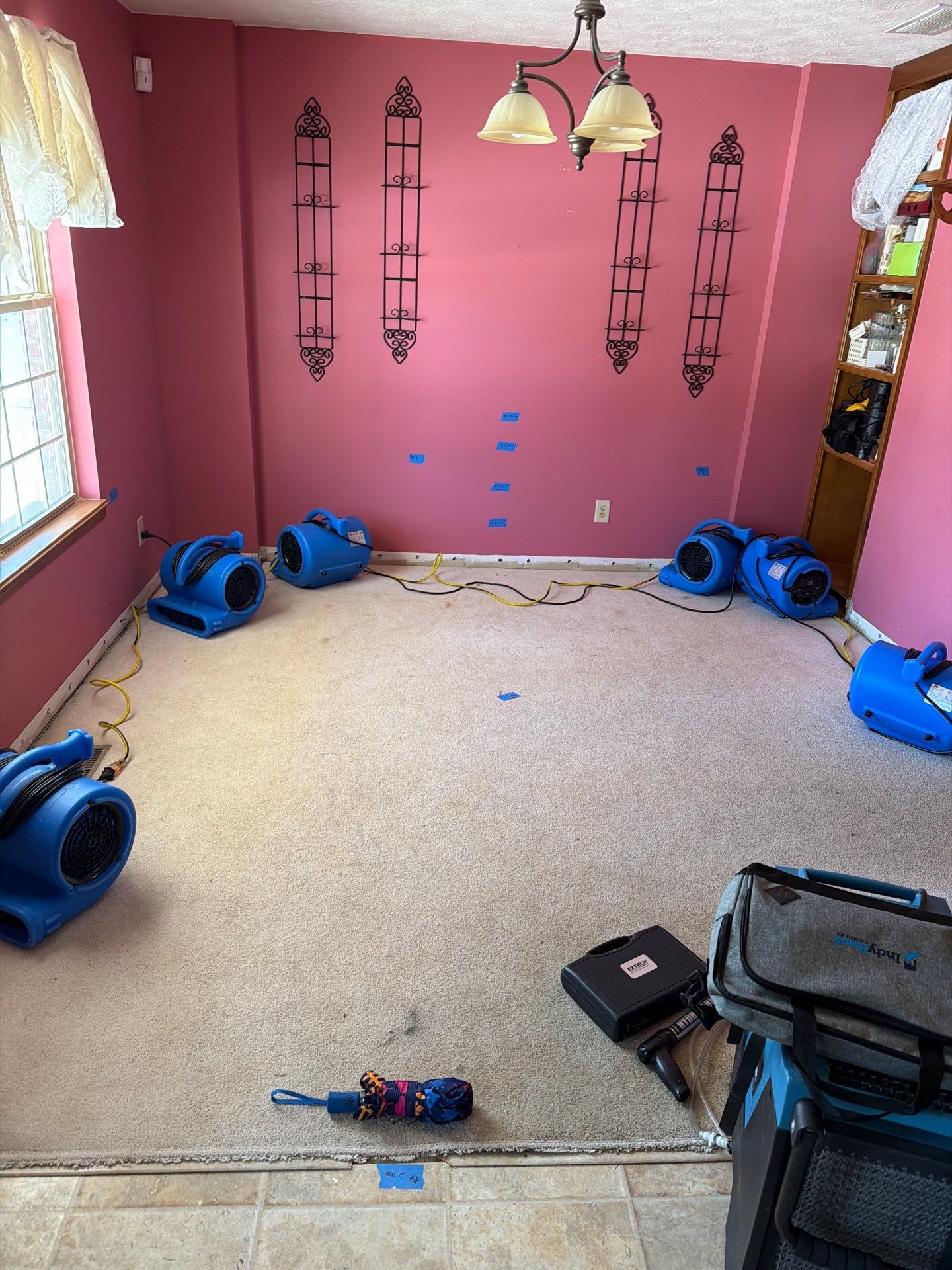
Once the leak is confirmed under the foundation, your plumber will usually present three paths. The first is a spot repair, where a small section of slab is cut, the pipe is fixed, and the concrete is patched. This is the cheapest option, often in the eight hundred to twenty five hundred dollar range for the plumbing work alone in Cicero, but it leaves the rest of the original pipe in place. The second is rerouting the line through the attic, walls, or ceiling to bypass the slab entirely, typically two to four thousand dollars depending on layout. The third is full repipe, used when the original copper or galvanized system is at end of life, which can run six to fifteen thousand dollars. None of those numbers include the restoration work that follows, and that is the part we handle. Cut concrete means saw slurry, demolition dust, and contaminated water that has to be extracted and contained. Wet subfloor and bottom plates need to be dried to IICRC S500 standards, usually with low profile air movers, dehumidifiers, and sometimes injection drying through small holes in the baseboard cavity. If the leak ran for more than seventy two hours before discovery, we are also testing for mold growth on the back of drywall and inside cabinet bases, and you can read more about that timeline in our overview of mold after water damage.
Flooring choices shape the restoration cost too. Tile set directly on slab almost always loses a few pieces during the cut, and matching twenty year old tile is sometimes impossible, which means a transition strip or a partial replacement becomes part of the conversation. Engineered hardwood that has cupped from prolonged moisture rarely flattens back, even after drying, and the salvage decision depends on the wear layer thickness and how far the cupping extends from the leak point. We walk every affected room with you before any demolition, marking what stays, what goes, and what gets photographed for the claim, so there are no surprises when the dust settles.
Frequently Asked Questions
How much does slab leak detection cost in Cicero?
Detection itself usually runs between two hundred and six hundred dollars when combined with a restoration assessment. Cicero Commercial Roofing folds the moisture mapping and thermal imaging into the initial visit so you are not paying twice if repairs follow.
Will my homeowners insurance pay for slab leak damage?
Most Cicero policies cover the resulting water damage from a sudden slab leak, including drying, demolition, and rebuild, but exclude the pipe repair itself. Documentation matters, and Cicero Commercial Roofing provides the scope and photo log adjusters expect.
How long does drying take after the concrete is cut and the pipe is repaired?
Typical structural drying runs three to five days with proper equipment placement. Wet subfloor under tile or hardwood can take longer, and Cicero Commercial Roofing monitors moisture daily until readings hit dry standard.
Can I just patch the spot and skip restoration?
You can, but wet framing and drywall left in place often grow mold within seventy two hours and warp finishes over weeks. Proper drying after a slab leak protects the repair you just paid for.
Do you work directly with plumbers and adjusters?
Yes. Cicero Commercial Roofing coordinates with the licensed plumber making the pipe repair and communicates directly with your insurance adjuster, so the timeline stays tight and nothing falls between trades.
Have a commercial roofing question?
Our manufacturer-certified Cicero crew is ready to help. Free comprehensive inspections, written scopes, no pressure.